
Bralette
How to Choose Yoga Leggings vs Gym Leggings: Understanding the Difference
Mar
At first glance, yoga leggings and gym leggings may look very similar. Both are designed to support movement, provide comfort, and help you feel confident during workouts. However, the truth is that different types of workouts require different features from your activewear.
Choosing the right leggings can make a big difference in how comfortable and supported you feel during exercise. Yoga and pilates movements focus on flexibility and balance, while gym workouts often involve higher intensity and stronger muscle engagement. Because of this, the fabric, fit, and support level of leggings can vary depending on the activity.
Understanding the difference between yoga leggings and gym leggings will help you choose the best option for your workout routine.
Yoga Leggings vs Gym Leggings
1. Fabric and Comfort
One of the biggest differences between yoga leggings and gym leggings is the type of fabric used.
Yoga leggings are usually made from softer, more flexible materials. The goal is to create a smooth and comfortable feel that allows your body to move freely during stretching and flowing movements. Fabrics are often lightweight and breathable, helping you stay comfortable during slow and controlled exercises such as yoga or pilates.
Gym leggings, on the other hand, are designed to be more durable and supportive. The fabric is often thicker and more compressive, which helps support muscles during strength training, running, or high-intensity workouts. These leggings are also usually more resistant to friction and sweat.
In simple terms, yoga leggings prioritize softness and flexibility, while gym leggings focus on support and durability.
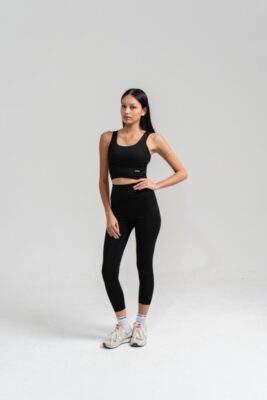
*) Model is wearing Fityou Hagia Legging
2. Level of Compression
Compression refers to how tightly the leggings fit around your body.
Yoga leggings typically have light to medium compression. This allows your body to move naturally and comfortably during poses that require deep stretching, bending, or twisting. The fabric follows the body without feeling restrictive.
Gym leggings often feature medium to high compression. This helps stabilize muscles during workouts that involve lifting weights, jumping, or running. Higher compression can also help reduce muscle fatigue and provide a sculpting effect.
If your workout involves dynamic movements or strength training, gym leggings with higher compression may provide better support.
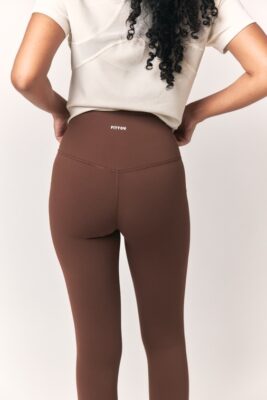
*) Model is wearing Fityou Hagia Legging
3. Breathability and Sweat Management
Different workouts create different levels of heat and sweat, which is why breathability matters when choosing leggings.
Yoga workouts are usually lower impact, so yoga leggings focus on breathable fabrics that feel comfortable against the skin. Many yoga leggings are designed to feel almost like a second skin, allowing you to focus on your breathing and movement.
Gym workouts tend to be more intense, which means sweat-wicking fabrics become more important. Gym leggings are often designed with moisture-wicking technology to help absorb sweat and keep your body dry during high-energy exercises.
Choosing leggings with the right fabric helps maintain comfort throughout your workout.
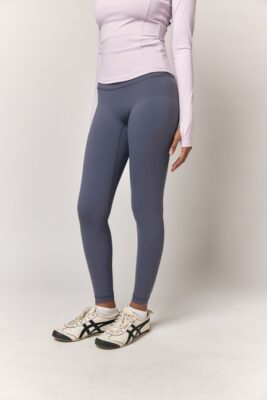
Yoga Leggings vs Gym Leggings
Yoga or pilates sessions typically benefit from leggings that are soft, flexible, and breathable. Gym workouts, strength training, or high-intensity activities may require leggings with stronger compression and durability.
Many people choose to have both types of leggings in their activewear wardrobe so they can match their outfit to their workout.
The most important factor is how the leggings make you feel. When your activewear supports your movement and fits comfortably, it becomes easier to focus on your workout and enjoy the experience.
At the end of the day, the best leggings are the ones that allow you to move confidently, comfortably, and freely—whether you’re flowing through a yoga session or powering through a gym workout.
